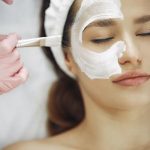

It is possible to improve your skin’s appearance in 7 science-backed ways. Its layers do their utmost to keep us secure when they are healthy. To varying degrees, skin injury impairs its protective barrier function. As a result, the best ways are pinpointed to keep skin healthy so that it can continue to serve as a protective barrier, and below are the tips to improve your skin’s appearance.
Your skin’s appearance may reveal information about your overall health. Many people worry about dry, itchy, or flaky skin throughout the fall and winter months. Cracked and painful skin might result if these issues are not addressed. You may improve the appearance and sensation of your skin by following these tips to improve your skin’s appearance, which are validated by scientific research.
Every day, apply sunscreen.
Always apply sunscreen, especially on cloudy winter days, to protect your skin from the sun. Ageing is accelerated, and skin damage is severe when exposed to ultraviolet (UV) radiation from the sun, both of which can cause serious health problems. By choosing a broad-spectrum sunscreen, you’re ensuring that you’re shielding yourself from both UVA and UVB radiation. Use a sunscreen with an SPF of 50 or higher if you are prone to sunburns.
Renew your fluid resources
Drinking enough water is essential for good skin health and appearance. There are a variety of factors that affect how much water you need to drink, including how active you are, the weather (especially humidity levels), and the quantity of moisture in the air in your home. Observing the color of your urine is a great way to tell if you’re receiving enough fluids. You’re well hydrated if it’s colorless or extremely pale yellow in color.
Use a moisturizer based on your skin type.
A moisturizer developed for your skin type should be sought out if you have dry skin or a combination of the two. A mild moisturizer is still recommended, even if you have oily skin. Your body as a whole could use some extra moisture, not just your face. Dry, flaking, or cracked skin on your palms and soles is another possibility.
Don’t forget to water your face
It’s possible that you were taught as a child to always wash your face. Even in your mature years, this advice is sound. Any substance, such as makeup or airborne pollution or sebaceous gland oil, that clogs your skin’s pores makes it more likely that you’ll suffer from skin problems. Acne, as well as blackheads and whiteheads, are exacerbated by clogged pores. Each time you get out of bed in the morning, you should wash your face again right before you turn in for the night. If you worked up a sweat throughout your workout, you should cleanse your face afterward.
Choose healthy foods to eat.
The food you eat provides your skin with the nutrients it needs to stay healthy. It’s critical to hydrate and care for your skin from both the inside and the exterior when it comes to skin care. Fresh or frozen fruits and vegetables are the best sources of high-antioxidant meals. Antioxidants help your body repair damaged cells. Consumption of lean proteins and polyunsaturated fats can help rebuild collagen. Collagen is responsible for your skin’s suppleness, pliability, and elasticity.
A diet that restricts the intake of calories
According to studies done on mice, reducing caloric intake can slow down the ageing process in cells. This research has the potential to be tested on humans as an anti-aging treatment approach in the future.
Researchers have shown that cutting calories by 35% can slow down the ageing process within a single cell. People’s cellular protein synthesis, or ribosome production, slowed when their calorie intake was reduced. This, in turn, slowed the ageing process.
In addition to reducing ribosome production, this slower rate allowed the ribosomes to repair themselves, ensuring that the body’s overall functionality remained intact.
Ensure that you get enough sleep every night.
During your sleep, your body heals any cellular damage that occurred while you were awake. New collagen is being produced, while damaged cells and older cells are being repaired and replaced with new ones. You must sleep on a comfy mattress every night if you want to ensure that your body has the ability to restore itself. Make it a goal to sleep for at least seven hours every night. In the end, you’ll have skin that’s smoother, healthier, and more radiant.
Maintaining a skin care routine is essential to keeping your skin healthy.
Because no two people have the same skin type, the greatest skincare regimen for one person may not be the best for another. Exfoliation should be a frequent part of your routine if you find that your skin is becoming dry. A simple option that you can execute once or twice a week is a facial scrub that exfoliates skin. Whether you have oily skin, sensitive skin, or another type, look for skin care products that are made specifically for your skin type.
Alcohol
Non-melanoma skin cancers may be less likely to develop if you drink less alcohol. Increased alcohol use has been linked to an increased risk of basal cell carcinoma and cutaneous squamous cell carcinoma, according to Trusted Source.
Conclusion
For every 10-gram increase in daily alcohol use, basal cell carcinoma risk increased by 7%, whereas cutaneous squamous cell carcinoma risk increased by 11% for every 10-gram increase in daily alcohol consumption.